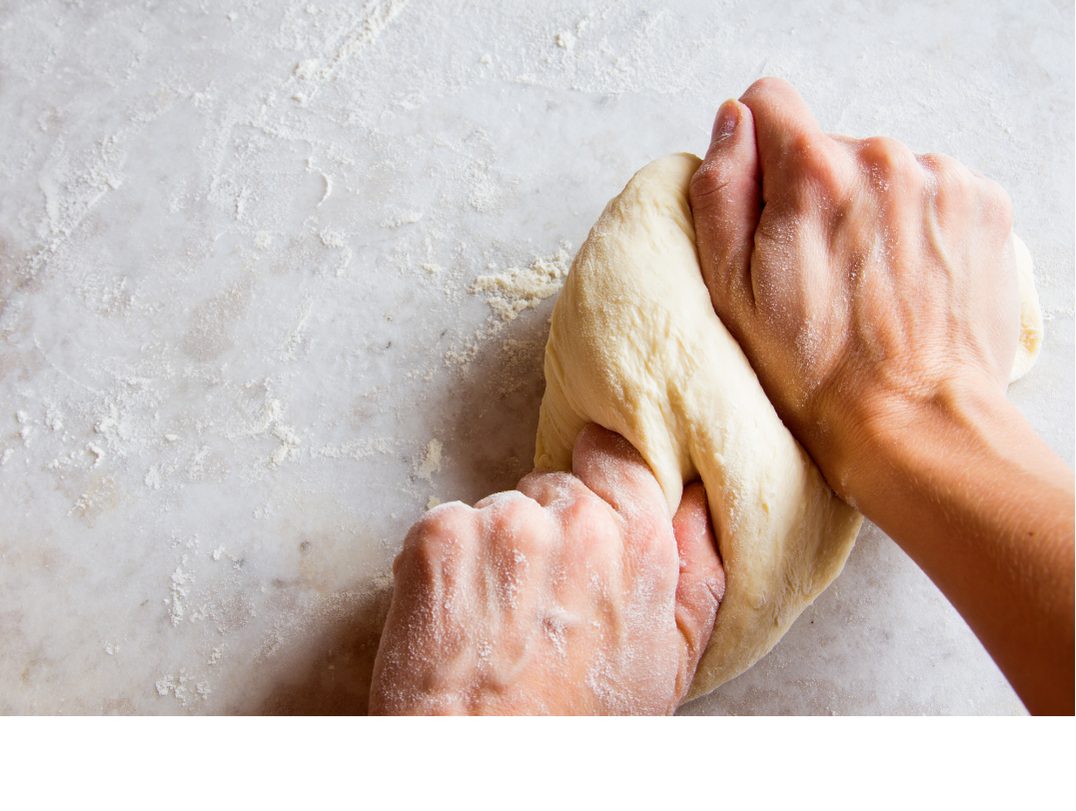
 Photo: Mizina on canva You know what it's like. You pick up your phone to do something specific, and before you know it you're scrolling through a bunch of videos. Catching my eye the other day: a baker moulding dough into a massive balloon that constantly shifted shape like a creature alive. Hands folding, slapping, turning, stretching the dough. Letting in the air. Filling the dough with space. That's what meditation can do for your mind. Make it flexible, stretchy, workable. A good dough. How? Through a simple, disciplined training. Yup, the serene meditator, still as a statue, might look like they're blank inside, peaceful, thought-free. Kinda checked out, mentally. But that's not the case. They're actually busy fielding incoming thoughts, looking for gaps, stepping back, observing the circus, making space. 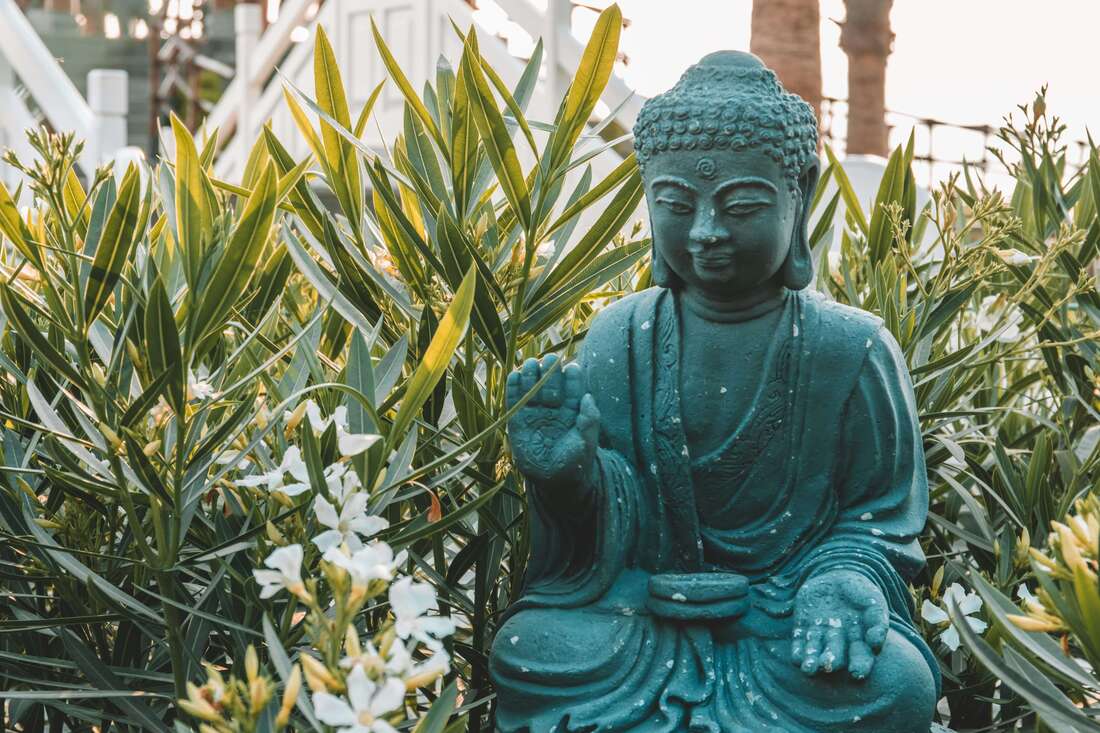 Anyone who's done a spot of meditation knows as soon as you close those little peepers, the inner chatterbox throws a party. That's good news. We want the mind to be busy, chattery, at the start. It's grist for the mill. It looks like this: You notice the mind has wandered ... you gently bring it back. You notice the mind has wandered ... you gently bring it back. You notice the mind has wandered ... you gently bring it back. Repeating any task over and over strengthens the neural pathways, the coding in the brain. When we bring the mind back repeatedly in meditation, the brain automatically gets better at returning to task. Flexible. Less like a sticky chunk of dough and more like a well-kneaded bread. Encoded with lightness, stretchy in texture, infused with space. A responsive mind that springs back at the touch and won't collapse in the oven. A mind you can count on to rise to the occasion. And just as freshly baked bread smells sooo good, the freshly-meditated mind feels pretty darn good too. Dig in, dig in I say. Cheers, Shakti Director at Joyfulmind If you're reading this before February 2024, it's not too late to join the Finding Spaciousness course! (places allowing, I favour small groups of up to eight participants so you can get personal attention and meet your meditation needs.) Join me to discover how meditation can knead space and flexibility into the dough of your daily mind.  Like the post? Please share it, by copying the url to your socials. Sign up to the popular Joyfulmind occasional Newsletter here

0 Comments
 Grab a cuppa, fluff up the pillows, settle in. Here's a tale about my mother-in-law Aileen, who moved to Kyogle from Sydney in 1996 at the ripe old age of 80. Motivated by escape from Sydney winters, her sights were on Southeast Qld but there was a catch: her older brother Keith.  Photo by Karolina Grabowska
How do you like your towels? Rough and scratchy? Raspy as sandpaper? Not a fan of gravel rash? Me neither. Soft and fluffy! Lovely on the skin and does a better drying job, too*. You can create a soft, silky environment in the mind when your meditation includes self-kindness. 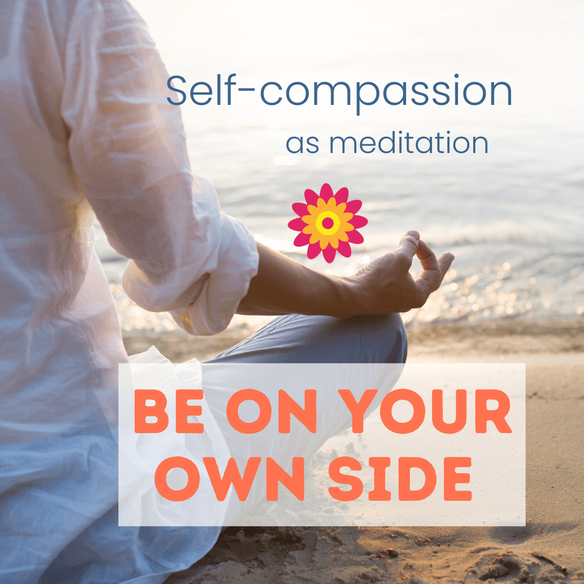 Self-compassion. Turns out it can save and support us through times of difficulty. And the run-of-the-mill ordinary blips of the day.  We’re driving home from the school bus. My son is eleven. Suddenly, a grisly, hairy, huntsman spider dashes onto the dash. 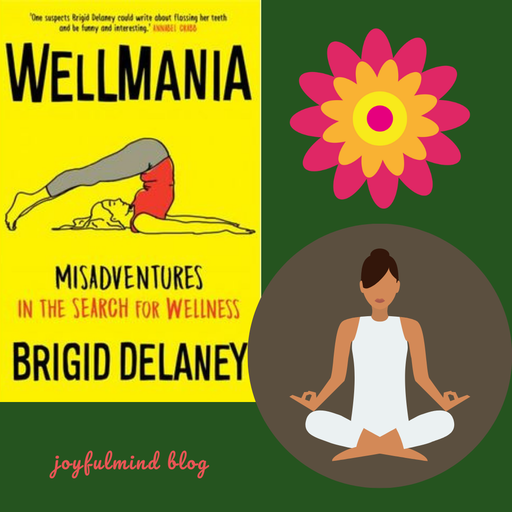 I knew it all along. Meditation is the best thing ever (hear, hear!) Travel journalist Brigid Delaney tells us why in her fun-packed travel tome, Wellmania.  pic by Eric Ward, Unsplash
|
Categories
All
Categories
All
|



 RSS Feed